

What is PET? All Your Questions Answered
PET, short for polyethylene terephthalate, is one of the most widely used plastics in food and beverage packaging. It is lightweight, strong, transparent and highly versatile, which makes it well suited to packaging where product visibility, protection and shelf presentation matter.
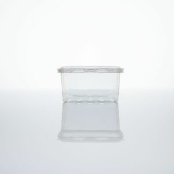
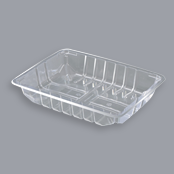
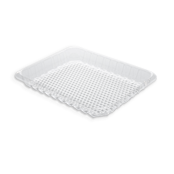
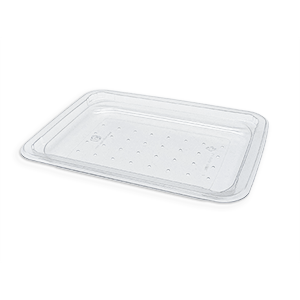
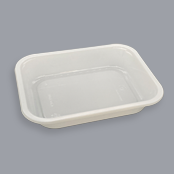
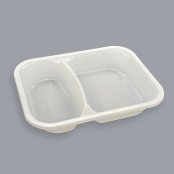
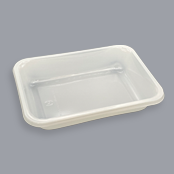
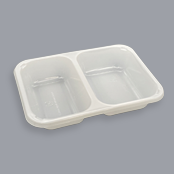
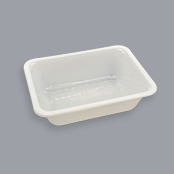
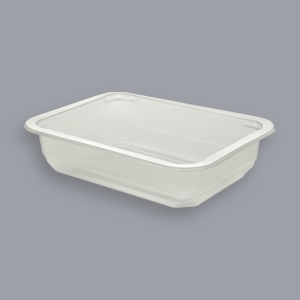
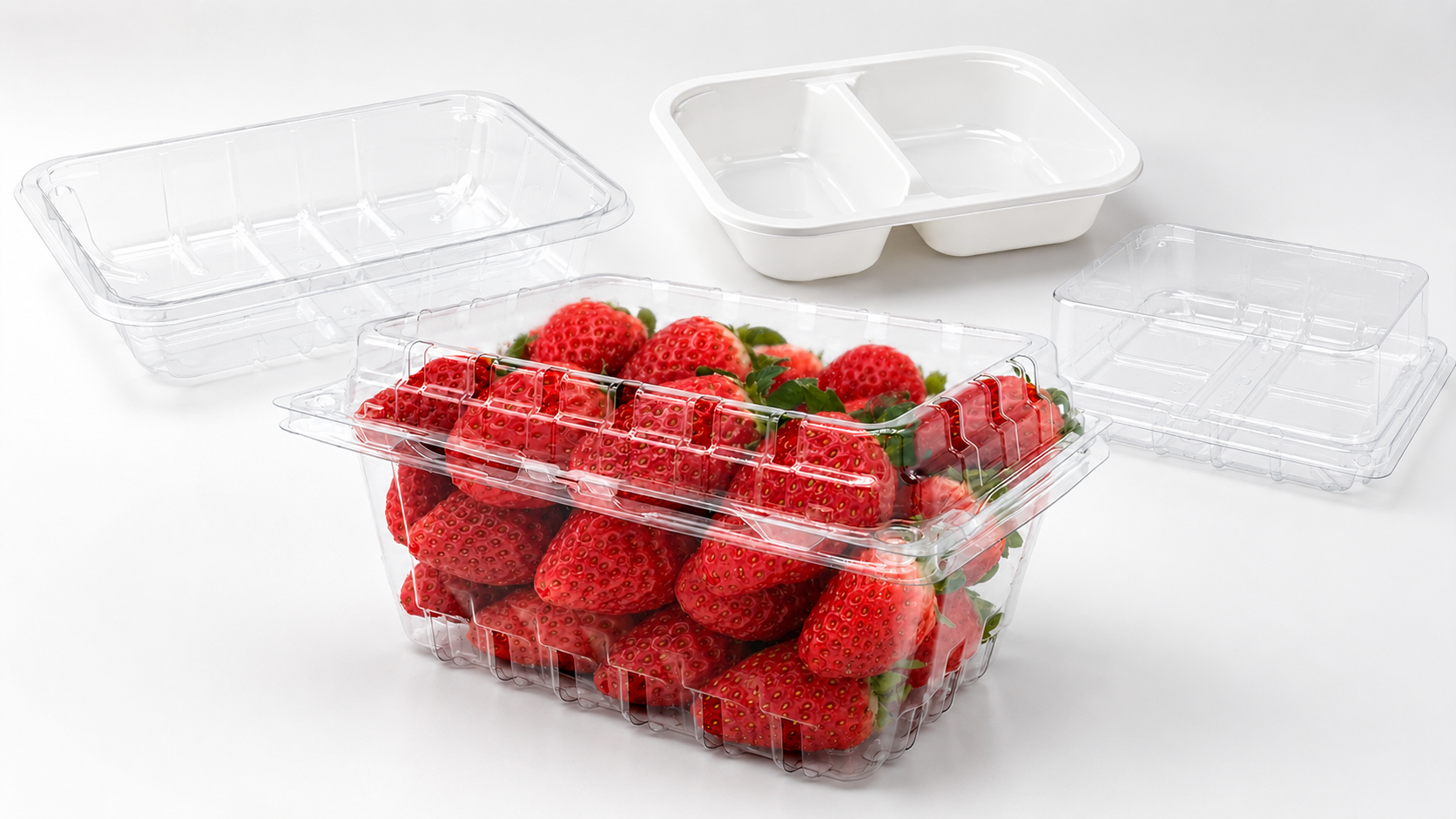
In fresh food packaging, PET and rPET are commonly used for punnets, clamshells, trays, bottles and containers across fresh produce, protein, bakery and ready meal applications. For growers, packers, food processors and fresh food brands, PET packaging offers a practical balance of clarity, strength, food-contact suitability and recyclability when the pack is designed and used correctly.
Quick answer: what is PET?
PET is a clear, lightweight plastic used to make many types of food and beverage packaging. In rigid food packaging, PET is valued for its clarity, strength and ability to protect products during packing, transport and retail display.
You may also see related terms such as APET, CPET, PETG and rPET. These are connected to the PET family, but they are not all interchangeable.
APET is commonly used for clear, rigid thermoformed packaging. CPET is a crystallised PET format designed for higher-temperature applications. PETG is a glycol-modified PET material used in certain packaging and industrial applications. rPET refers to recycled PET, made using recovered PET material that has been processed for reuse.
What is PET used for?
PET is used across a wide range of everyday products, including beverage bottles, food containers, trays, punnets, clamshells, textile fibres and packaging films.
In food packaging, PET is commonly used for:
- Fresh produce punnets and clamshells
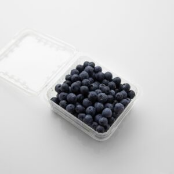
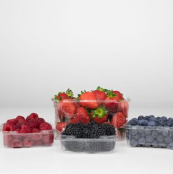
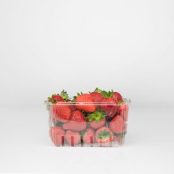
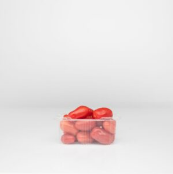
- Berry, tomato, fruit, vegetable and herb packaging
- Clear trays for retail presentation
- Bakery packaging
- Protein trays and lidding applications
- Ready meal and prepared food packaging, where suitable
- Beverage bottles and food containers
For fresh produce packaging, PET is especially valued because it allows the product to be clearly seen while helping protect it through the supply chain.
Is PET suitable for food-contact packaging?
Yes, PET is widely used in food-contact packaging, but the right wording is important.
In Australia, food packaging is not generally described as being “approved by FSANZ”. Instead, food businesses must use packaging that is fit for its intended purpose and not likely to contaminate food.
That means the suitability of PET packaging depends on the specific pack design, food type, storage conditions and intended use. Packaging used for fresh produce, chilled foods, microwave heating, freezing or dishwashing should be selected based on the conditions it is designed to handle.
For example, a PET punnet designed for chilled berries should not automatically be treated as suitable for microwave heating or dishwasher use unless the manufacturer has specifically designed and labelled it for those conditions.
Is PET recyclable?
PET can be recycled, but recyclability should always be described carefully.
Clear rigid PET packaging is one of the more widely recognised recyclable plastic packaging formats, particularly when it is clean, correctly sorted and accepted by the relevant local collection system. However, not every PET pack is automatically accepted in every council area or recovery system.
Recyclability can be affected by the pack format, size, colour, labels, adhesives, absorbent pads, lidding film and other components. That is why the Australasian Recycling Label (ARL) and the Packaging Recyclability Evaluation Portal (PREP) are important tools for assessing and communicating how packaging should be disposed of in Australia and New Zealand.
For customer-facing claims, it is safer to say that PET packaging can be recycled or that a specific mono-PET pack is designed for recyclability, subject to its configuration and local collection requirements.
What is rPET?
rPET stands for recycled polyethylene terephthalate. It is PET material made from recovered PET packaging that has been collected, sorted, cleaned and reprocessed into material that can be used again.
In packaging, rPET can help reduce reliance on virgin plastic by using recycled content where it is suitable for the product, manufacturing process and food-contact application.
For fresh produce packaging, rPET is commonly used in clear punnets, clamshells and trays where strength, clarity and presentation remain important. Recycled content claims should be supported by appropriate documentation, certification or supplier evidence.
Is PET the same as PETG or APET?
No. PET, APET and PETG are related, but they should not be presented as interchangeable names for the same material.
PET is the base polymer: polyethylene terephthalate. APET generally refers to amorphous PET, often used in clear thermoformed packaging. PETG is a glycol-modified PET material with different processing and performance characteristics. rPET is recycled PET.
For buyers, the key point is simple: always confirm the exact material structure and intended use of the packaging, especially when food contact, recyclability, sealing, printing or temperature performance matters.
Can PET packaging be microwaved or dishwashed?
Only if the packaging has been specifically designed and labelled for that use.
Some PET-based packaging formats are engineered for particular temperature conditions, but a standard fresh produce punnet or clamshell should not be assumed to be microwave-safe, oven-safe, freezer-safe or dishwasher-safe.
Always check the manufacturer’s instructions, packaging symbols and technical documentation before using food packaging outside its intended purpose.
Does PET contain BPA or phthalates?
PET is not the same material as polycarbonate plastic, which is commonly associated with BPA. PET is also chemically different from phthalate plasticisers, despite the similarity between the words “terephthalate” and “phthalate”.
For food-contact packaging, the more important question is whether the specific packaging material is suitable for the intended food and use conditions. Food type, storage time, temperature, heating, reuse and recycled content can all affect packaging suitability.
How does PET compare with glass, PP and paper?
Each packaging material has advantages and limitations. The best choice depends on the product, shelf-life requirements, packing process, transport conditions, retailer expectations and end-of-life pathway.
PET vs Glass
Glass is highly inert and offers excellent barrier properties, but it is heavier and breakable. PET is lightweight and shatter-resistant, which can make it easier to transport and handle in many food packaging applications.
PET vs PP
Polypropylene, or PP, is often used where higher heat tolerance is required. PET is often preferred where high clarity, product visibility and shelf presentation are priorities. The right choice depends on the food product and packaging format.
PET vs Paper or Cardboard
Paper and cardboard can work well in many applications, but fresh food packaging often requires moisture resistance, visibility and product protection. Paper-based packs may also need coatings, windows or liners, which can affect recyclability. PET may be a stronger fit where clarity, strength and moisture resistance are important.
No material is automatically the most sustainable choice in every situation. Environmental performance depends on pack weight, recycled content, product protection, transport efficiency, disposal instructions and the available recycling or recovery system.
Why do fresh produce brands use PET and rPET packaging?
Fresh produce is highly visual. Consumers want to see colour, freshness and quality before they buy. For retailers, growers and packers, the pack also needs to protect the product through handling, transport, refrigeration and shelf display.
PET and rPET fresh produce packaging can support:
- Clear product visibility
- Strong retail presentation
- Protection for delicate berries and produce
- Lightweight transport efficiency
- Compatibility with automated and manual packing
- Options for standard or customised punnet, clamshell and tray formats
- Recyclability-focused pack design when the material structure and components are selected correctly
That is why PET and rPET remain important materials across berry packaging, tomato packaging, fruit packaging, vegetable packaging and herb packaging.
How does Multisteps support PET and rPET packaging?
Multisteps designs and supplies PET and rPET fresh food packaging for growers, packers, processors, retailers and food brands across Fresh Produce, Meat & Seafood, Ready Meals and Bakery.
For Fresh Produce, our range includes clear PET and rPET punnets, clamshells and trays designed to support product visibility, protection, packing efficiency and retail presentation for berries, tomatoes, fruit, vegetables and herbs.
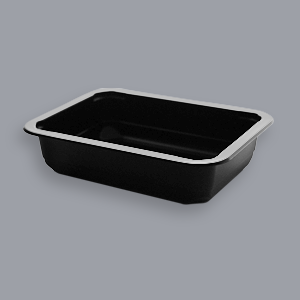
For Meat & Seafood, Multisteps supplies mono-PET and rPET tray solutions designed for fresh protein applications, including clear retail presentation, product protection and compatibility with common packing formats.
For Ready Meals, Multisteps offers CPET and other food packaging solutions designed for prepared meals where temperature performance, strength, presentation and food-contact suitability are important.
Across each category, Multisteps can help customers select the right packaging format based on product type, shelf presentation, packing process, recycled content requirements, recyclability considerations and supply needs. Where applicable, we can also support customers with relevant food safety, quality, recycled-content and Australian Made documentation.
Need PET or rPET fresh food packaging?
If you are looking for clear, reliable and retail-ready fresh produce packaging, Multisteps can help you choose the right PET or rPET punnet, clamshell or tray for your product.
Speak with the Multisteps team to discuss your fresh produce packaging requirements, including pack size, product protection, shelf presentation, recycled content, recyclability considerations and supply requirements.